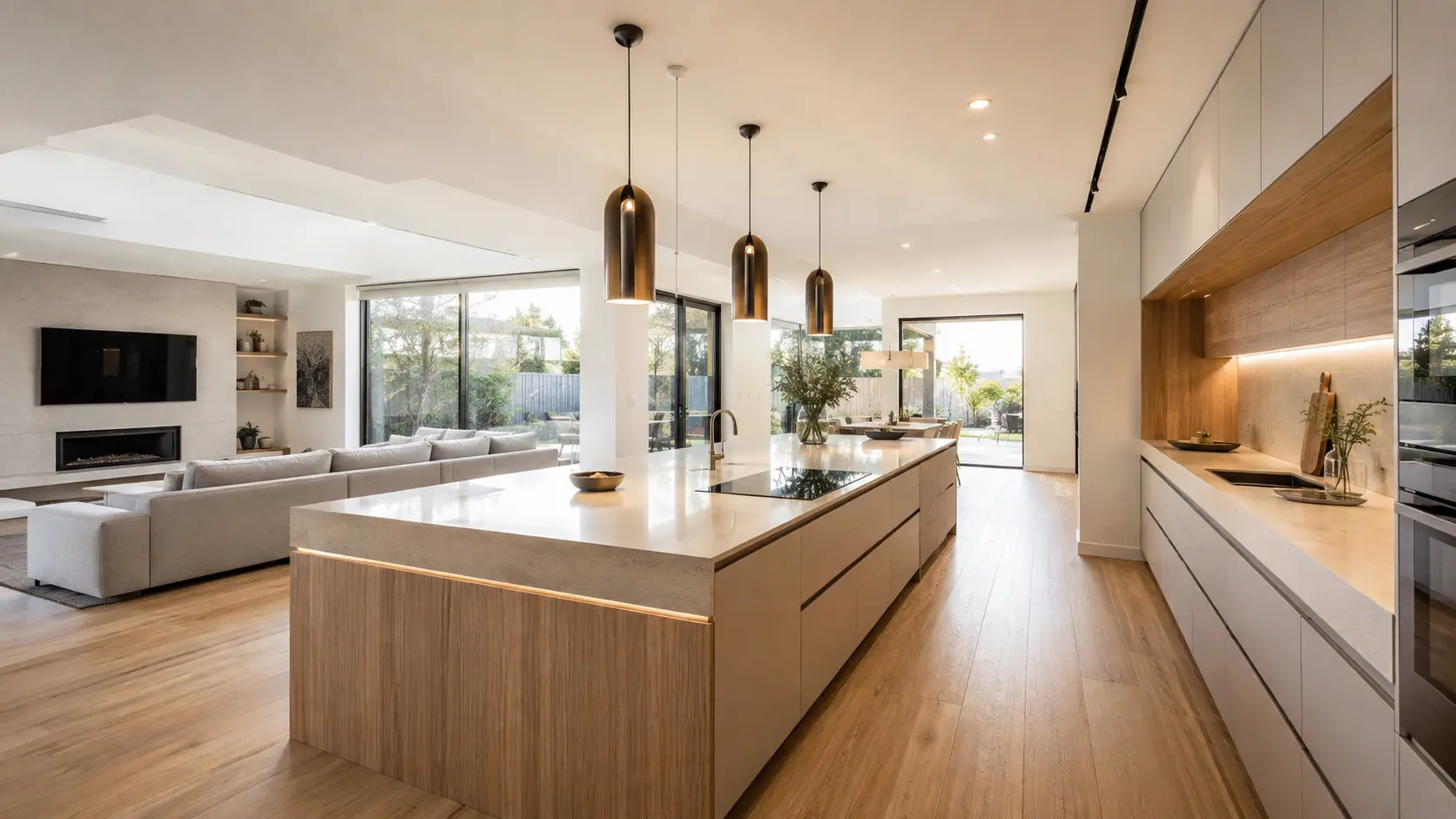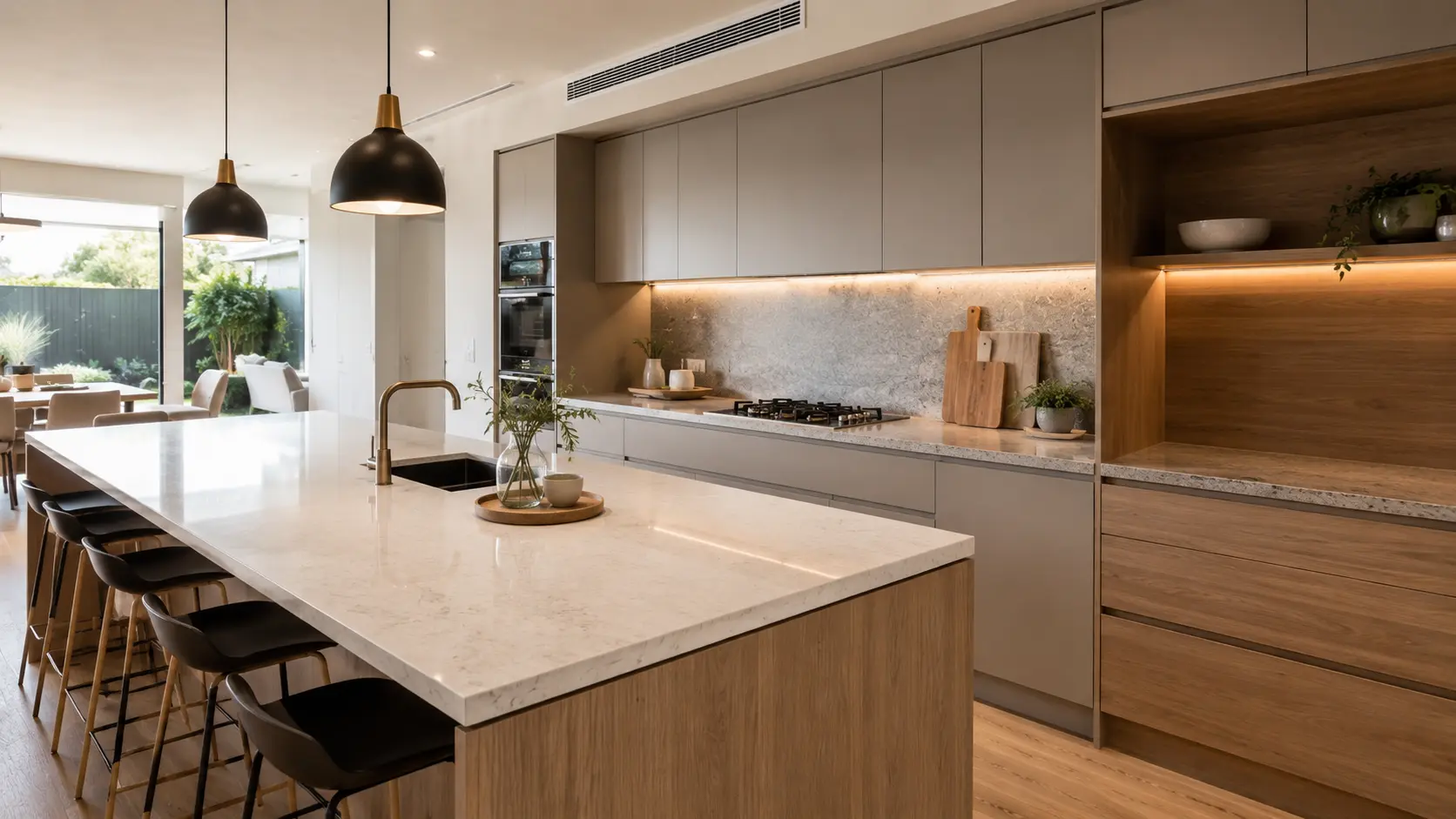
A beautiful kitchen can completely change the way your home feels, but good looks are only part of the equation. The best kitchens are also easy to use, simple to keep organised and designed around the way people actually live.
One of the biggest lessons homeowners often learn after completing a renovation is that they should have planned more Kitchen Storage from the beginning. It is easy to focus on cabinet colours, worktops, appliances and lighting while overlooking the everyday items that need somewhere to live.
From large pans and small appliances to groceries, crockery and cleaning products, kitchens accumulate a surprising amount of stuff. Without enough storage, even a beautifully designed room can quickly become cluttered.
Whether you are planning a completely new kitchen or updating an existing space, thoughtful storage can make a noticeable difference. Here are some of the Kitchen Storage ideas Perth homeowners often wish they had included sooner.
Plan Storage Around the Way You Live
Before choosing cupboards and drawers, think about what you actually use in your kitchen.
Every household has different routines. Someone who loves baking may need dedicated space for mixers, baking trays and ingredients, while a busy family may prioritise easy-access drawers for everyday plates, lunch boxes and cookware.
Start by considering your current kitchen and identify the things that always seem to be in the wrong place.
Ask yourself:
- Which items do you use every day?
- Which appliances take up too much worktop space?
- Do you struggle to reach certain cupboards?
- Are your drawers large enough for pans and utensils?
- Where do you keep food supplies?
- Is there enough room for recycling and household waste?
- Are corners being used effectively?
These simple questions can reveal where additional storage would have the greatest impact.
Vision PD describes its kitchen design process as being built around the space, style and practical needs of each homeowner, with bespoke joinery, quality materials and professional installation forming part of its kitchen service.
Deep Drawers for Everyday Essentials
Standard cupboards can be useful, but deep drawers are often one of the most practical Kitchen Storage upgrades.
Instead of having to reach into the back of a cupboard, drawers allow you to see much more of what you have at a glance. This makes them especially useful for saucepans, frying pans, food containers and heavier kitchen equipment.
Deep drawers can also make better use of lower cabinet space because you can organise items horizontally and access them without moving everything in front.
Consider using different drawer depths for different purposes. Shallow drawers are ideal for cutlery and utensils, while deeper drawers can accommodate cookware and larger kitchen equipment.
Make Better Use of Tall Cabinets
Tall cabinetry can provide valuable Kitchen Storage without taking up a large amount of floor area.
A full-height unit can be useful for pantry goods, small appliances, cleaning supplies or other items that you do not necessarily need on a daily basis.
Tall cabinets can also create a cleaner appearance by keeping bulky appliances and household items hidden behind doors.
For kitchens with limited floor space, using the available wall height can be particularly effective. Instead of spreading storage across the room, you can take advantage of vertical space while keeping work surfaces clearer.
Create a Proper Pantry Zone
A dedicated pantry area can transform the way you organise food.
Rather than having packets, tins and jars spread across several cupboards, a pantry zone gives everything a defined home. It can also make it much easier to see what you have before doing the weekly shop.
Pull-out pantry units are especially useful where space is narrow. They allow you to access products from both sides of the storage area without having to reach into a deep, dark cupboard.
If your kitchen has enough room, a larger walk-in pantry can offer even more flexibility. However, a well-designed cabinet pantry can still provide excellent functionality in a more compact space.
Do Not Waste the Corners
Kitchen corners are often where storage plans fall short.
Traditional corner cupboards can become difficult to access, leaving useful space at the back practically forgotten. Modern storage solutions can make these areas much more functional.
Rotating shelves, pull-out mechanisms and carefully designed corner units can make it easier to reach pots, dishes and other kitchen essentials.
The important point is to consider corner storage during the initial design stage. Trying to solve the problem later can be much more difficult.
Give Small Appliances a Home
Small appliances are among the biggest causes of kitchen clutter.
Toasters, coffee machines, blenders, mixers and food processors can quickly cover your worktops, particularly when they are used regularly.
One solution is to create dedicated appliance storage. This could be a deep cupboard, an appliance garage or a section of cabinetry with enough room for the equipment you use most.
The ideal arrangement depends on your routine. Appliances that are used every day may deserve a permanent position, while less frequently used items can be stored away.
The goal is not to hide everything. It is to make the worktop work for you rather than becoming a permanent storage area.
Add Pull-Out Bins and Recycling Storage
Waste storage may not be the most exciting part of a kitchen design, but it is one of the areas homeowners often appreciate most when it has been properly planned.
Pull-out bins can keep waste hidden within the cabinetry while making disposal convenient. Separate compartments can also make everyday recycling easier to manage.
The location matters just as much as the storage itself. Positioning waste storage near the main preparation or cleaning zone can reduce unnecessary movement around the kitchen.
A well-planned system should be easy to access, simple to clean and large enough to suit the way your household uses it.
Use Drawer Dividers and Internal Organisers
Adding more cabinets does not always solve a storage problem. Sometimes the issue is simply that the existing space is poorly organised.
Drawer dividers can make a major difference to cutlery, utensils and cooking tools. Internal organisers can also help separate plates, chopping boards, baking trays and other frequently used items.
Keeping similar objects together makes the kitchen easier to maintain and saves time when preparing meals.
This is particularly valuable in busy households where several people use the kitchen throughout the day.
Consider Storage Near the Hob
The area around the cooking zone should be planned for convenience.
Pans, utensils, oils, spices and other frequently used ingredients should ideally be within easy reach of the hob. Dedicated drawers and narrow pull-outs can be useful for these items.
Keeping cooking essentials nearby means you do not have to walk across the room repeatedly while preparing meals.
A practical Kitchen Storage plan considers these small movements because they happen every day.
Create a Dedicated Space for Food Preparation
Storage should also support food preparation.
A clear worktop is much more useful when the items you need can be accessed quickly. Consider where chopping boards, knives, mixing bowls and commonly used ingredients will be stored in relation to the main preparation area.
This can make the kitchen feel more efficient without necessarily requiring more space.
A well-designed layout combines storage and work surfaces rather than treating them as separate features.
Think About Breakfast and Everyday Zones
Not everything in the kitchen needs to be stored according to traditional cabinet categories.
A dedicated breakfast or everyday zone can make busy mornings easier. You could group cereal, bread, mugs, spreads and breakfast essentials together so family members can find what they need without opening several cupboards.
Similarly, a drinks station could provide a natural home for coffee equipment, mugs and associated supplies.
Creating these activity-based zones makes Kitchen Storage more intuitive because each area serves a clear purpose.
Use the Island for More Than Worktop Space
A kitchen island can provide much more than an additional preparation surface.
Depending on its design, an island can include deep drawers, cupboards, open shelving or dedicated storage for items such as cookware and serving dishes.
The important thing is to avoid filling the island with storage simply because there is space available. Think about what would be most convenient to keep there.
Everyday items are often ideal because they can be accessed from the main working area.
An island can also provide useful seating, making the kitchen more social while keeping the rest of the room open.
Plan Storage Before Choosing Finishes
It is easy to spend a lot of time deciding on cabinet colours and worktop materials before thinking carefully about storage.
Storage should come first.
Once you know what the kitchen needs to accommodate, you can choose cabinetry styles and finishes that complement the practical design.
Vision PD offers several kitchen cabinet styles and finishes, including contemporary slab and handleless options, while also providing bespoke design and installation tailored to individual spaces.
This design-first approach helps ensure that appearance and functionality are considered together rather than treating storage as an afterthought.
Keep Cleaning Products Organised
Cleaning products often end up scattered under the sink or hidden in random cupboards.
A dedicated cleaning cupboard can help keep bottles, cloths, brushes and other supplies together. Internal shelves or removable organisers can make the space much easier to use.
The location should also be practical. Keeping cleaning products close to the sink can save time during everyday kitchen maintenance.
For families, secure and sensible storage is particularly important. The design should make household products accessible when needed while keeping the overall kitchen organised.
Think About Future Needs
Kitchen Storage should not only work for your household today. Think about how your needs may change over time.
You may eventually buy new appliances, host larger gatherings, welcome children into the home or simply accumulate more kitchen equipment.
Flexible storage can make it easier to adapt.
Adjustable shelves, generous drawers and versatile cupboards can provide more long-term value than highly specialised storage that only serves one purpose.
Consider the Kitchen as Part of a Wider Home Project
For homeowners planning broader improvements, it can be useful to think about the kitchen alongside other spaces in the house.
Vision PD also provides complete bathroom renovation services, with its approach covering design, products and installation as one managed project. This makes Bathroom Renovations Perth a natural related service to consider when planning wider home improvements.
Planning multiple areas with a consistent approach can help create a more cohesive home while allowing practical requirements to be considered from the beginning.
The Small Storage Details Often Matter Most
Some of the most appreciated Kitchen Storage features are not necessarily the largest ones.
A narrow drawer for spices, a dedicated space for chopping boards, an organised cutlery drawer or a pull-out cupboard can make everyday tasks noticeably easier.
These details may seem minor during the design process, but they are the features homeowners interact with repeatedly.
That is why storage planning should be based on real routines rather than simply counting how many cupboards are included.
Final Thoughts
The best Kitchen Storage is rarely about adding as many cupboards as possible. It is about creating the right storage in the right places.
Deep drawers can make cookware easier to access. Tall cabinets can maximise vertical space. Pantry storage can keep groceries organised, while clever corner solutions can turn awkward areas into useful ones. Dedicated zones for appliances, cleaning products and everyday essentials can also keep worktops clear and the kitchen easier to use.
Most importantly, storage should be designed around your lifestyle.
When planning a new kitchen, think about what you own, how you cook, where clutter tends to build up and what would make your everyday routine easier. Those practical observations can lead to a kitchen that not only looks beautiful but continues to feel organised and functional long after the renovation is complete.